TikTok and YouTube Teen Safety Rules: What Meta’s Changes Mean for Parents | Beritaja
 By: Albert Michael - Saturday, 29 August 2026 12:54:42 • 6 min read
Meta has agreed to an $18 billion settlement with 29 U.S. states over allegations involving the impact of its social media platforms on children. The agreement also includes significant changes to the way teenagers and younger users can access Meta's social networks.
Meta Proposes New Standards for Teen Social Media Use
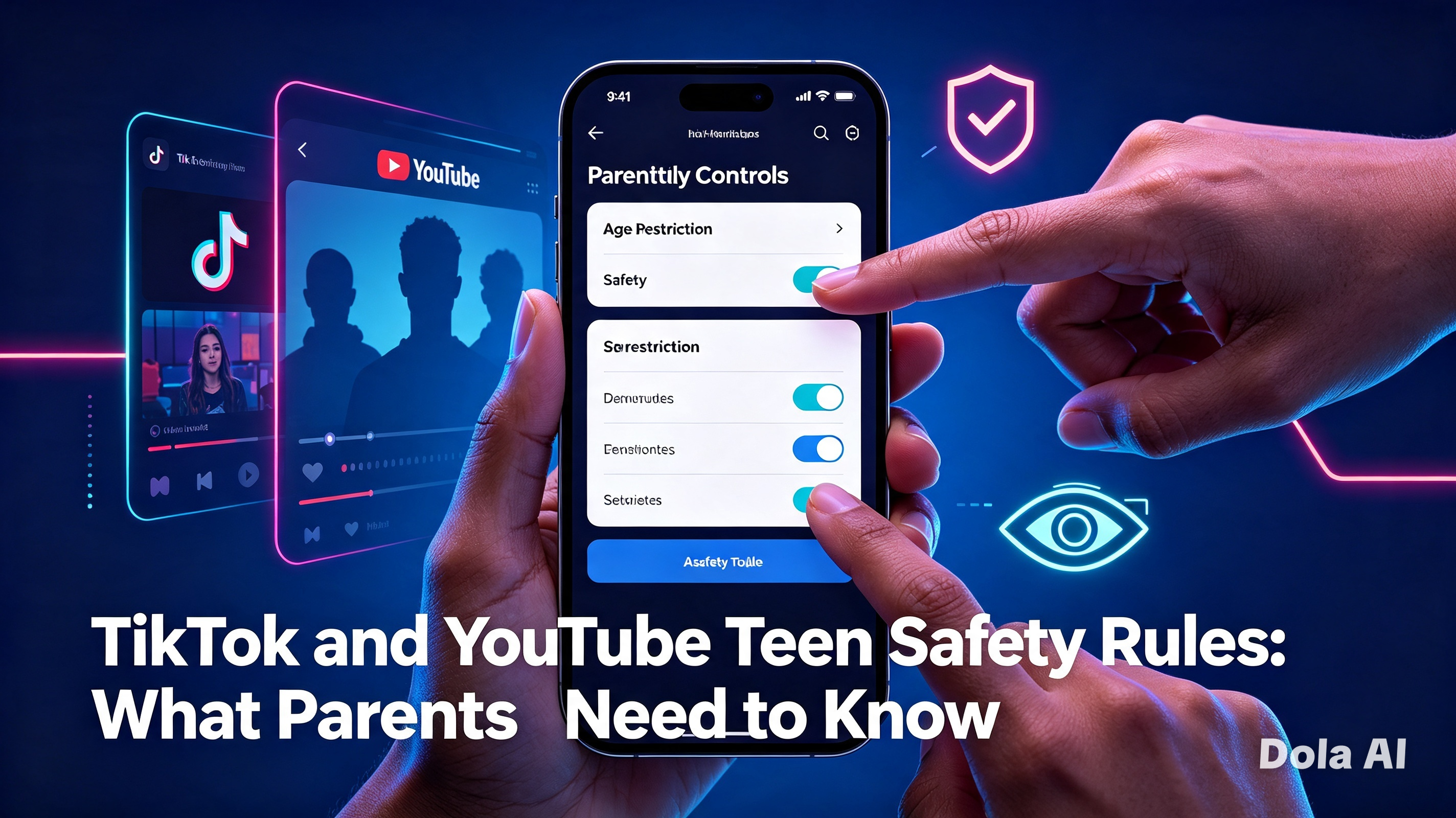
The financial value of Meta's settlement has attracted considerable attention, but another part of the agreement could have a wider impact on the technology industry. After reaching the settlement, Meta called on TikTok and YouTube to work together on common standards for teenage users.
Meta's proposal includes daily limits on social media use, restrictions on access to apps during nighttime hours, and fewer notifications while teenagers are at school. The broader objective is to encourage social media companies to establish stronger and more consistent safeguards for younger users.
The debate also highlights a broader issue surrounding the rapid development of digital technology. Businesses increasingly use artificial intelligence and automated systems to improve how they operate, making questions about technology, responsibility, and user safety increasingly important. For businesses still learning about the technology landscape, this complete guide to AI for MSMEs provides a useful introduction to how artificial intelligence is changing modern businesses.
Will TikTok and YouTube Follow Meta?
Whether TikTok and YouTube will adopt Meta's proposed standards remains uncertain. Although all three platforms face growing scrutiny over teenage usage, each company has different products, business models, recommendation systems, and approaches to content moderation.
Implementing industry-wide restrictions could therefore be more complicated than simply introducing a new set of technical controls. Companies would need to consider how limits affect user engagement, advertising, parental controls, notifications, and the overall experience for younger audiences.
These issues are also examples of the challenges that organizations face when adopting new technologies and digital systems. Companies interested in understanding the wider obstacles associated with AI adoption can explore the biggest challenges of AI adoption for small businesses , including concerns around implementation, cost, skills, data, and responsible technology use.
Why Teen Digital Safety Is Becoming a Bigger Technology Issue
Social media platforms have become deeply integrated into everyday communication, entertainment, education, and news consumption. As a result, decisions about how teenagers interact with these services increasingly involve technology companies, parents, schools, regulators, and policymakers.
The proposed restrictions also demonstrate how quickly expectations around technology can change. Features that were once viewed primarily as engagement tools may increasingly be evaluated through the lens of safety, privacy, mental well-being, and responsible design.
The development reflects a broader technology trend in which companies are being pushed to think beyond simply building more capable digital products. Businesses must also consider how those technologies affect people and society. This is particularly relevant as AI trends in 2026 continue to influence how organizations develop and deploy digital services.
The Role of AI in Social Media Platforms
Artificial intelligence plays an increasingly important role behind major social platforms. Recommendation engines, content ranking systems, automated moderation, advertising systems, and personalization technologies can all rely on machine learning and other forms of AI.
This makes the discussion around teenage safety more complicated. Restricting access to certain features may require platforms to identify age groups, manage recommendation systems, control notifications, and adjust how content is delivered.
Generative AI is also becoming increasingly influential across the technology industry. Businesses looking to understand this technology can learn more through this guide to generative AI and why it matters to small businesses .
Why AI Rules and Responsible Technology Matter
The discussion surrounding Meta, TikTok, and YouTube illustrates an important point about technology: innovation and responsibility need to develop together. New digital capabilities can provide significant benefits, but they can also create new risks that companies must address.
This is especially important for artificial intelligence because modern AI systems can influence what people see, how information is processed, and how decisions are made. Large language models are another major part of this transformation. For an introduction, see this guide to large language models and their role in business .
Companies adopting AI should therefore evaluate not only efficiency and productivity but also transparency, privacy, security, accountability, and the potential effects on users. Responsible implementation can become increasingly important as AI becomes embedded in everyday products and business processes.
What Businesses Can Learn From the Meta Debate
The situation involving Meta and its competitors provides a useful lesson for businesses of every size. Technology decisions can have consequences that extend beyond technical performance or financial results.
Small and medium-sized businesses adopting AI should similarly consider how new tools affect employees, customers, data, and decision-making processes. Businesses should avoid assuming that every new AI feature automatically provides value simply because it uses advanced technology.
Understanding common misconceptions can help business owners make better decisions. Our guide to AI myths every business owner should stop believing explains why some common assumptions about artificial intelligence may lead companies in the wrong direction.
AI and Smarter Business Decisions
The growing debate over responsible technology also connects with another important business trend: using data and AI to support better decisions. As companies collect more information, AI-powered business intelligence can help turn large amounts of data into useful insights.
For small businesses exploring this opportunity, AI business intelligence for smarter decision-making offers a closer look at how these technologies can be applied in practical business environments.
What Happens Next?
Meta's decision to encourage TikTok and YouTube to adopt common standards puts pressure on the wider social media industry to respond. Whether those companies agree to similar limits could depend on regulatory developments, user expectations, competitive considerations, and the practical difficulty of implementing the proposed safeguards.
For parents, the situation is a reminder that digital safety cannot depend entirely on platform policies. Parents and guardians may still need to use available parental controls, discuss responsible social media habits with teenagers, and pay attention to how children interact with online platforms.
For technology companies, the debate represents a larger challenge: building products that are not only innovative and commercially successful but also designed with safety and responsibility in mind.
Key Takeaways
- Meta has agreed to an $18 billion settlement involving allegations related to children and social media.
- Meta is proposing broader standards for teenage social media use.
- The proposals include daily usage limits, nighttime restrictions, and fewer school-hour notifications.
- TikTok and YouTube have not necessarily committed to adopting the same approach.
- AI and recommendation technologies make social media safety increasingly complex.
- Businesses adopting AI should consider responsibility, privacy, security, and user impact alongside efficiency.
The debate over Meta's teen safety rules is part of a much larger conversation about how technology companies should balance innovation, business interests, and user protection. As AI and digital platforms become increasingly influential, responsible technology design is likely to remain an important issue for businesses and consumers alike.