Zohran Mamdani Admits New York City Has No Legal Authority to Arrest Benjamin Netanyahu
 By: Albert Michael - Wednesday, 22 July 2026 11:18:06 • 4 min read
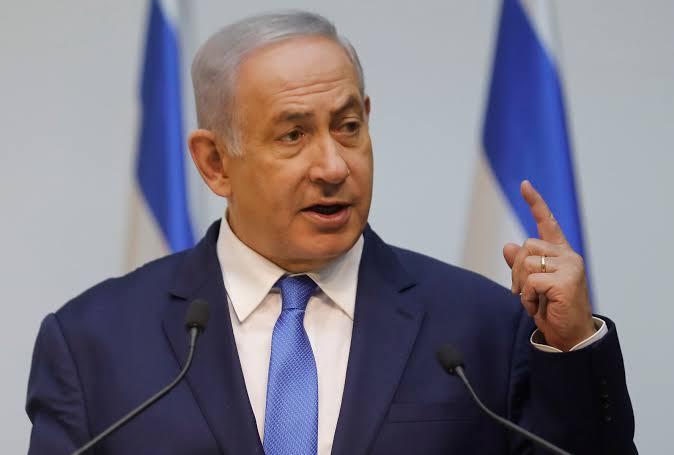
NEW YORK — New York City Mayor Zohran Mamdani acknowledged Tuesday that his administration does not have the legal authority to arrest Israeli Prime Minister Benjamin Netanyahu if he were to visit the city, reversing expectations created by his earlier comments on the issue.
In a video posted on X (formerly Twitter), Mamdani said his legal team had reviewed every available legal option to determine whether New York City could enforce the International Criminal Court (ICC) arrest warrant issued against Netanyahu.
"My administration has reviewed every avenue available under applicable law to determine whether New York City could execute the International Criminal Court's arrest warrant if Benjamin Netanyahu came here," Mamdani said.
"It is clear that we do not have the independent legal authority to enforce this warrant. The federal government, however, does, and I call on them to join the ICC and execute this warrant."
Earlier Remarks Sparked Political Debate
Mamdani's clarification comes only days after he told The New York Times that his administration was exploring legal options regarding the possibility of arresting Netanyahu over allegations of war crimes. Those comments quickly ignited political debate in both the United States and Israel.
Former President Donald Trump dismissed the idea on Monday, writing on Truth Social that Netanyahu "will not be arrested, in any way, shape, or form."
The issue has gained attention because Netanyahu could travel to New York later this year for the United Nations General Assembly, making questions about jurisdiction and diplomatic authority more prominent.
Israel Responds to Mamdani's Statement
Israeli officials have strongly criticized Mamdani's position. Netanyahu's office previously accused the New York mayor of using the controversy to distract from local political issues while unfairly targeting Israel.
Following Tuesday's video, Israel's Ambassador to the United Nations, Danny Danon, also responded on social media, urging Mamdani to focus on governing New York City rather than what he described as political messaging favorable to Hamas.
ICC Warrant Remains Highly Contested
The International Criminal Court issued arrest warrants for Netanyahu and several other Israeli officials in 2024, alleging war crimes and crimes against humanity related to Israel's military campaign following Hamas' October 7, 2023, attacks.
The Israeli government has firmly rejected the allegations, arguing that its military operations comply with international law and are conducted in self-defense.
The United States has never ratified the Rome Statute—the treaty that established the ICC—and therefore is not legally obligated to enforce the court's arrest warrants.
Legal Experts Reject City's Jurisdiction
Legal analysts have largely agreed that New York City lacks the authority to carry out an ICC warrant against a foreign head of government.
CNN Senior Legal Analyst Elie Honig described the proposal as legally untenable, arguing that matters involving foreign diplomacy and the treatment of visiting foreign leaders fall exclusively under federal jurisdiction rather than municipal authority.
According to constitutional experts, any decision involving international arrest warrants, diplomatic immunity, or foreign policy would ultimately rest with the U.S. federal government—not city officials.
Trump Administration Maintains Opposition to ICC
The controversy also highlights the long-standing U.S. government's opposition to the International Criminal Court.
Both former President Joe Biden and President Donald Trump publicly criticized the ICC's decision to issue an arrest warrant for Netanyahu. During Trump's second administration, Secretary of State Marco Rubio pledged to intensify efforts against the court, accusing it of exceeding its authority and undermining U.S. interests.
Editorial Perspective
Mamdani's latest statement reflects the legal limits facing local governments when international law intersects with domestic constitutional authority. While political leaders may express support for international institutions such as the ICC, enforcement powers within the United States remain firmly controlled by the federal government.
The episode also illustrates how rapidly political rhetoric can collide with legal reality. Although debates over accountability, international justice, and the Gaza conflict continue to divide global opinion, experts broadly agree that a municipal government like New York City lacks the jurisdiction to arrest a visiting foreign leader under an ICC warrant.